
How many of you have heard of “trigger warnings”?
A trigger warning is a statement at the start of a book, a video, a lecture, that lets us know there may be potentially distressing material ahead. It may literally trigger reactions based on our own experiences, things that remind us of past trauma or grief for instance.
And, of course, sometimes life throws a curveball without any warning. Sometimes, a trigger may come out of left field when we least expect it. We try to avoid them. We’ve all had moments like that, right?
But that’s not why I’m here tonight.
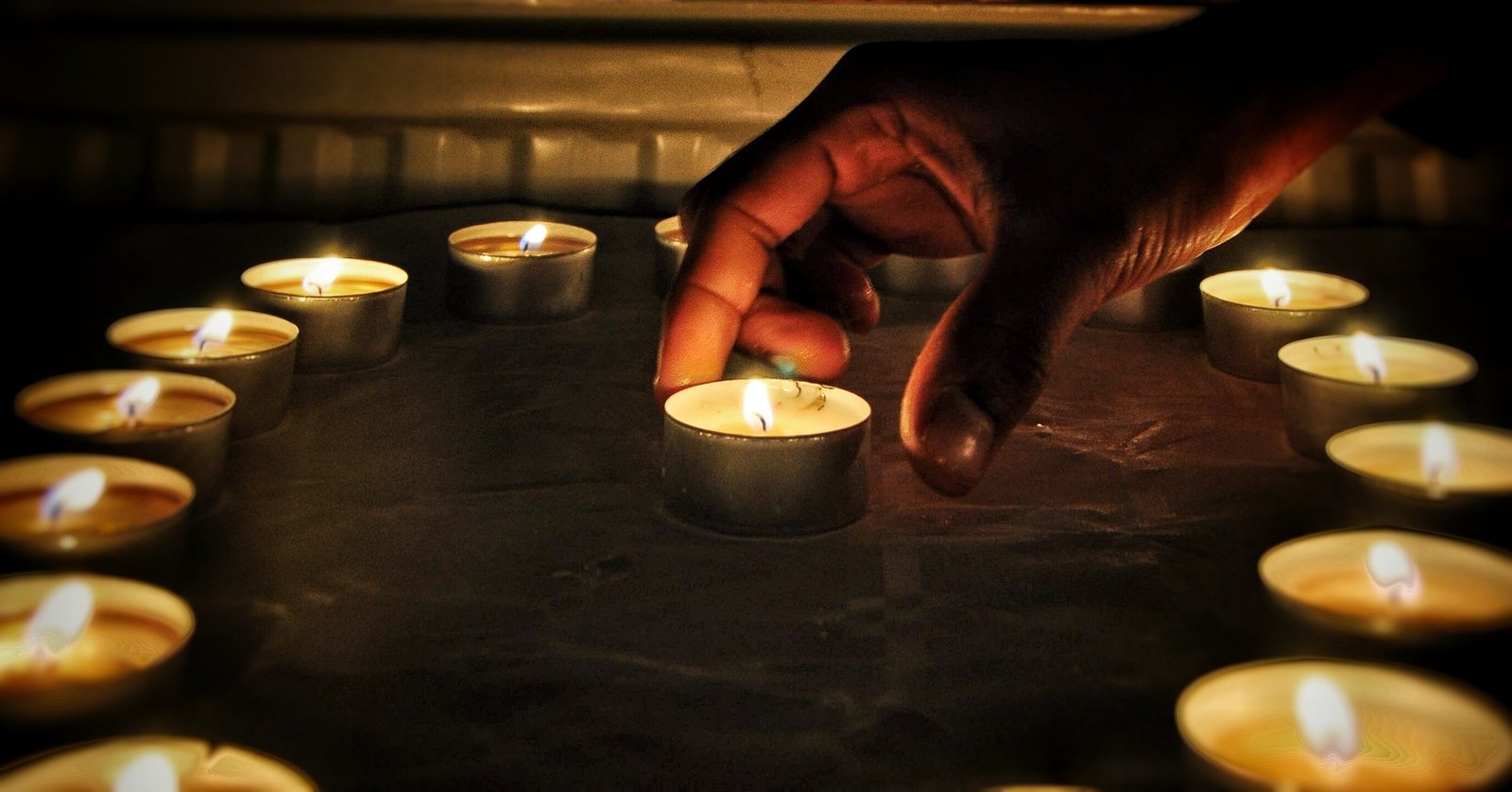
Tonight…is a night of joy—tomorrow morning is my own daughter’s bat mitzvah—and so instead of triggers, I want to talk about the opposite. I want to talk about glimmers.
This is an idea developed by Deb Dana, a licensed clinical social worker, in her 2018 book on complex trauma. The way she describes them, glimmers are “small moments when our biology is in a place of connection or regulation, which cues our parasympathetic nervous system to feel safe or calm.”
In other words, they are moments of joy and moments of zen.
Glimmers can spark ease, safety, and connection. These are different for everyone. Noticing a flower blooming in your garden. The smile of a stranger. Petting your dog or cat. That perfect latte you made this morning. The glint of light on the water at the shore after a long day on the beach. It could be your favorite song coming on the radio. A breeze when you close your eyes.
In short, it’s anything—any little thing—that gives you a spark of joy, even love. We should seek them out, recognize them when we can, embrace them when we do.
Now what if I told you that glimmers are built into Judaism?
Each day, we are commanded to say one hundred blessings. We are commanded to notice small things and be grateful. Goodness knows we try, right?
In his master opus, Mishneh Torah, a codification of Jewish laws, Maimonides lists exactly what to bless, and it starts with thanking God upon awakening for returning our souls to us and for hearing a rooster start the new day. There are blessings for washing the sleep out of our eyes, for putting our feet on the ground, even for going to the bathroom. This is before we ever open a prayerbook and add the blessings around the Shema and the 18 benedictions of the Amidah three times a day and all the brachot over meals before and after. And if you tally up all these blessings, you should get to 100. If for some reason you fall short, such as on Shabbat, the halacha in the Shulchan Aruch, the 16th century code of Jewish law, says you get to eat fruit, treats and smell fragrances until you reach 100. I’d be okay with that…
On top of the daily blessings, Judaism has blessings for everything from rainbows to lightning, to seeing a friend. When you see that friend after not seeing them for just thirty days, you recite Shehecheyanu and the ending of the Gevurot, “Michayeh meitim” Blessed are you who revives the dead.
Now. Imagine a day spent blessing.
Imagine a day where you are in a continual state of thanks, awareness, and gratitude to God.
Imagine a day where you flow from blessing to blessing. You give thanks for your body, your meals, and you end your day with even more blessings. How would that change your soul?
Why, we even have a blessing for bad news, “The true Judge.” Can you imagine? Taking a moment to bless and reflect even then? How would that change your reaction? Your panic or fear or worry?
You might start to see these glimmers—these blessings— everywhere because everything is blessed. You might be humble because you might see that everything is dependent upon God. You might feel safe. You might feel calm. You might feel peace.
Rabbi Shefa Gold links our continual struggles to find joy and calm to the terrible American consumerism that is really the 11th plague. Discussing Parsha Ekev from Deuteronomy she writes, “As you enter the Land of your life: a land of fountains and depths, valleys and hills, shopping malls and glossy catalogues, a land of wheat and barley, television commercials and billboards and vines and fig-trees and pomegranates, a land of olive trees and honey, a place of comforts and the illusion of security… you are in mortal danger of forgetting where all of these gifts come from. It will seem that you made this life for yourself, that you are the Creator.”
But no. It comes from above. According to Kabbalah, the shefa, the blessings, flow down like streams.
The light in the eyes of a grandchild. The smell of your family’s favorite meal. The touch of a hand of a loved one after a long day. Timing all the green lights cruising up Third Avenue on a Sunday. Yes, mom, that one feels real good.
Baruch atah. Blessed are You. Blessed are You who is Good and Does Good.
Blessed are you who created brownies. Blessed are you who made the salty ocean air, who created the song of the cardinal in the backyard, who created the backyard.
Blessed are you who gave us breath and song and scrapbooks and raspberries and Yo Yo Ma and Casablanca and one another.
Blessed are you having your bat mitzvah this weekend.
Blessed are you who have them next weekend and the weekends beyond, and all of you who had them in all the weekends past. And blessed are you who celebrate with them and with us, now, then, and ever.
Blessed are you, for you are glimmers of light in the dark.
Betty Rubin July 14, 2023
Beautiful!